About 20MnCr5 Round Bar
20MnCr5 / 16MnCr5 Case Hardening Alloy Steel
Overview:
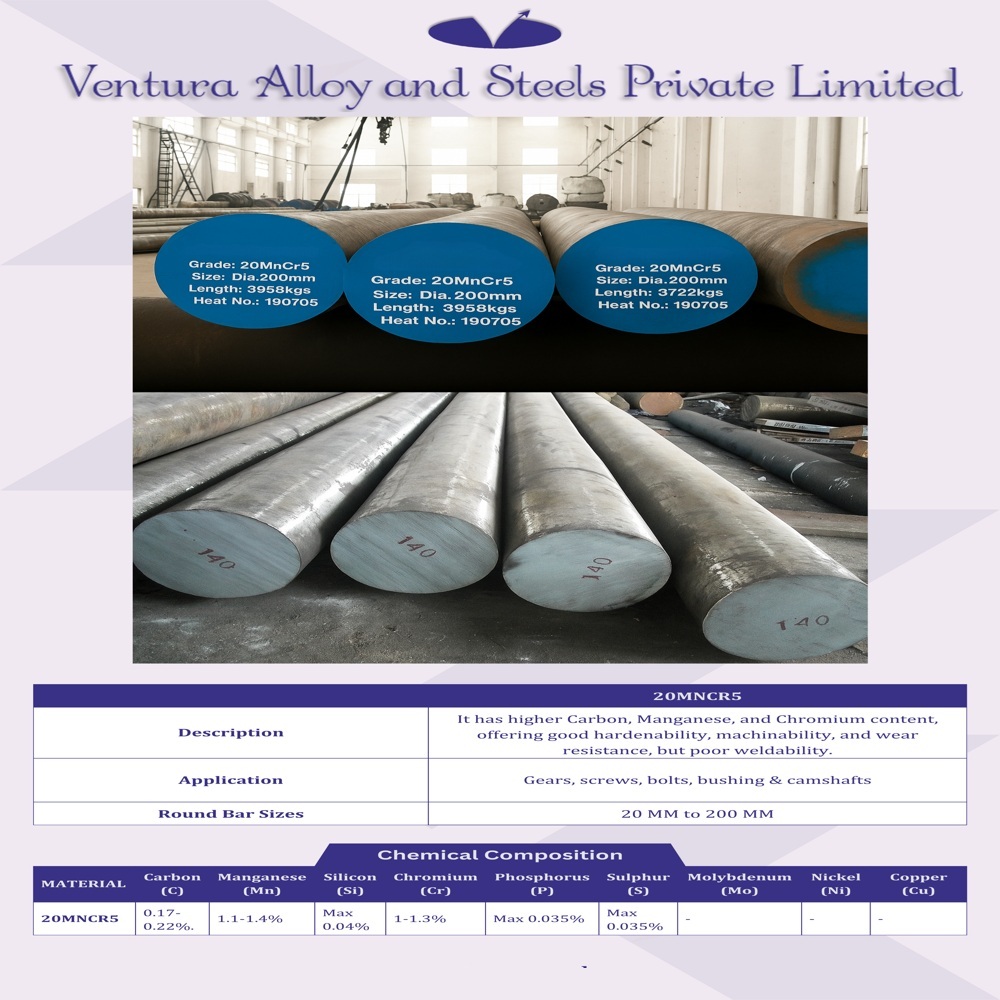
20MnCr5 and 16MnCr5 are low-alloy case hardening steels known for their excellent wear resistance, high tensile strength, and good machinability. These steels are widely used for producing components that demand a hard, wear-resistant surface and a tough, impact-resistant core.
Key Properties:
-
Composition: Low carbon with manganese and chromium additions
-
Hardening Capability: Excellent surface hardening through carburizing
-
Core Toughness: Maintains good ductility and toughness in the core after heat treatment
-
Weldability: Moderate welding is possible with proper precautions and post-weld treatment
-
Machinability: Good easily shaped and finished before hardening
Common Applications:
-
Gears
-
Shafts
-
Camshafts
-
Pins and bolts
-
Transmission components
Heat Treatment Options:
-
Carburizing: For surface hardening
-
Quenching and Tempering: For strength and toughness
-
Annealing: To soften before machining
-
Normalizing: To refine grain structure and improve uniformity
Conclusion:
20MnCr5 / 16MnCr5 are ideal steels for applications requiring a combination of hard surface wear resistance and core toughness, making them popular in the automotive and mechanical engineering industries.
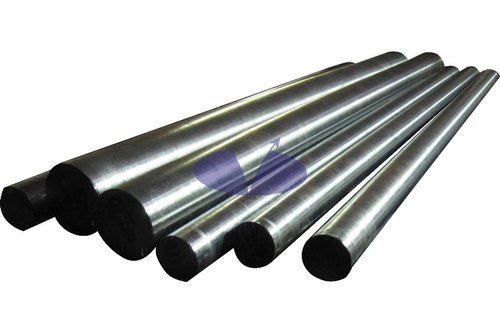
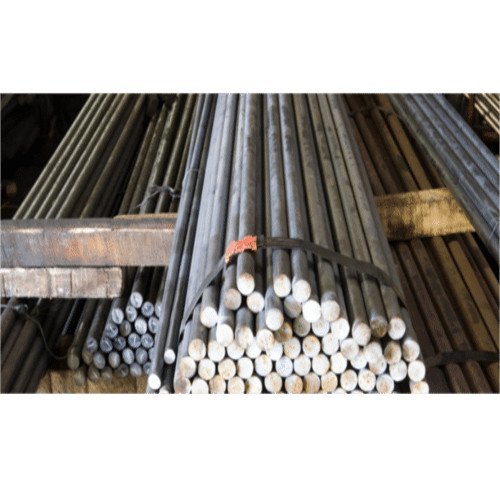
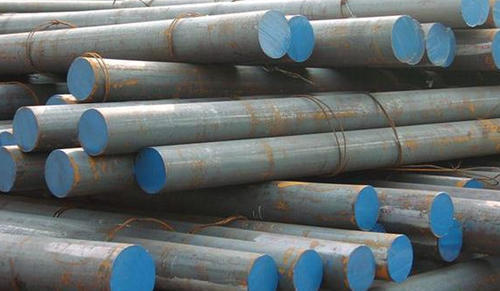
Precision Alloy for Demanding ApplicationsThe 20MnCr5 round bar offers a combination of high tensile properties, machinability, and case-hardening capability, making it ideal for automotive and engineering sectors. The bar's moderate hardness and durable chromium alloy composition allow it to withstand demanding mechanical stresses-perfect for precision parts like shafts and gears. With a broad size range, multiple finishing options, and tight tolerances, these bars provide flexibility for customized requirements.
Advanced Processing and Finish OptionsEach 20MnCr5 round bar can be supplied in a variety of delivery conditions such as as-rolled, peeled, or turned. Advanced processing options include annealed, quenched & tempered, and case-hardened treatments, ensuring the correct mechanical properties are achieved for specific use cases. Available finishes like bright, black, peeled, and ground cater to functional and aesthetic requirements, while surface treatments and coatings can enhance corrosion resistance.
FAQ's of 20MnCr5 Round Bar:
Q: How is the 20MnCr5 round bar processed for optimal hardness and strength?
A: The 20MnCr5 round bar is processed through different techniques such as hot rolling or forging. It can further be annealed, quenched, and tempered, or case hardened to achieve the required hardness (200 - 255 HB in annealed condition) and a yield strength exceeding 500 MPa after suitable heat treatment.
Q: What are the primary applications of 20MnCr5 round bars?
A: This grade is widely used for producing gears, shafts, pinions, and transmission components due to its excellent hardenability and wear resistance. It is also suitable for use in automotive, machinery manufacturing, engineering, and construction industries.
Q: When should I choose ground or polished 20MnCr5 round bars?
A: Ground or polished finishes are selected when superior dimensional accuracy and surface quality are needed, such as in manufacturing precision mechanical components or assemblies that require smooth, aesthetically appealing surfaces.
Q: Where are 20MnCr5 round bars typically used?
A: These bars are commonly utilized in critical machine elements found in automobiles, construction equipment, and industrial machinery, especially where enhanced strength and wear resistance are essential.
Q: What benefits does proper case hardening provide to 20MnCr5 bars?
A: Case hardening significantly improves surface hardness and wear resistance while maintaining a tough and ductile core, thus extending the lifespan of components exposed to repeated friction and mechanical stress.
Q: How does 20MnCr5 steel perform regarding corrosion resistance?
A: 20MnCr5 alloy offers moderate corrosion resistance, which can be boosted using appropriate coatings or treatments to suit applications exposed to harsher environments.



 Chat with us





 English
 Spanish
 French
 German
 Italian
 Chinese (Simplified)
 Japanese
 Korean
 Arabic
 Portuguese
 Send Inquiry

 Send Inquiry
 Send Inquiry
 Send SMS
 Call Me Free


